
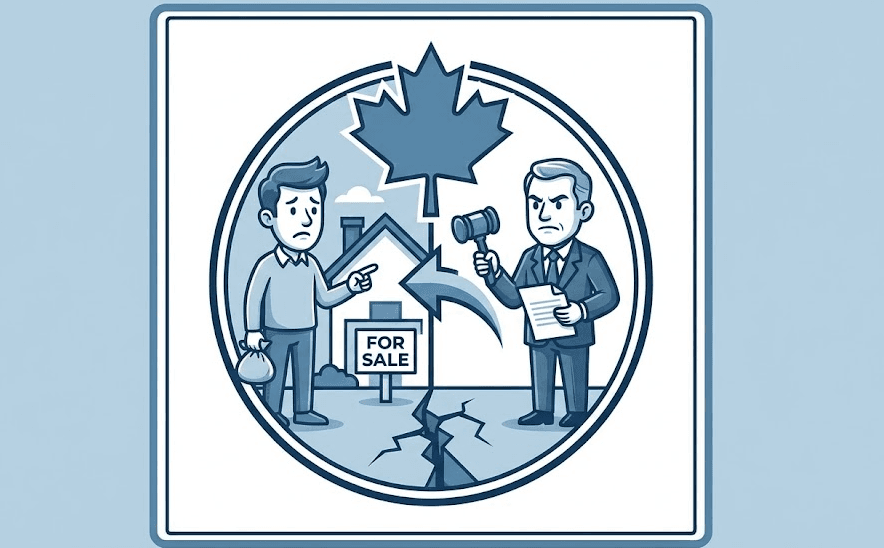
Foreclosure in British Columbia: What Homeowners and Lenders Need to Know
Foreclosure is a legal process that allows a mortgage lender to recover money owed when a borrower falls behind on payments. In British Columbia, foreclosure is court-supervised and must go through the BC Supreme Court. Whether you’re a homeowner facing financial difficulties or a lender seeking repayment, understanding the foreclosure process is critical.
What Triggers Foreclosure? Foreclosure typically begins when a borrower defaults on their mortgage—this could mean missed mortgage payments, unpaid property taxes, or a breach of mortgage terms. The lender usually starts by sending a demand letter giving the borrower a short window (often 10–30 days) to fix the default. If no resolution is reached, the lender can file a foreclosure petition in the BC Supreme Court.
Step-by-Step: The Foreclosure Process
-
Filing a Petition The lender (also called the “petitioner”) files a petition in court naming the borrower, tenants, and any other parties with an interest in the property (such as second mortgage holders).
-
Order Nisi This is the first court order in a foreclosure proceeding. It confirms the amount owed and sets a redemption period—usually six months—giving the borrower time to repay the debt or arrange for a sale.
-
Redemption Period During this time, the borrower can “redeem” the mortgage by paying off the full balance, including legal costs and interest. Many borrowers use this time to refinance or sell the property privately.
-
After the Redemption Period If the mortgage isn’t paid, the lender can ask the court for: o Conduct of Sale: The court authorizes the lender (or a realtor) to sell the property under court supervision. Any surplus after debts are paid goes to other creditors or the borrower. o Order Absolute: In rare cases where the property has no equity and cannot be sold, the court may transfer ownership directly to the lender. This ends the borrower’s interest in the property.
Borrowers Still Have Rights Foreclosure doesn’t mean immediate loss of your home. Borrowers have important rights, including the right to redeem the mortgage and the opportunity to ask the court for more time to sell the property. The court will consider fairness and may deny a lender’s request if there’s still equity that could benefit the borrower.
What About Deficiency Judgments? If the property sells for less than the mortgage debt, the lender can seek a deficiency judgment against the borrower for the remaining balance—but only if the mortgage includes a personal covenant. In practice, many lenders do not pursue this if the borrower has no significant assets or has filed for bankruptcy.
Why Legal Advice Matters Foreclosure law in BC is complex and highly procedural. For lenders, getting the process right is essential to recover funds efficiently. For borrowers, early legal advice can lead to more options—whether it’s negotiating with the lender, selling the property, or protecting remaining equity.
At Avid Law, we assist both lenders and homeowners with foreclosure matters across British Columbia. Whether you need to enforce a mortgage or respond to a foreclosure petition, we're here to guide you through each step with clarity and care.
Need help with a foreclosure matter? Contact us today to schedule a consultation.